Makhana, also known as fox nuts or lotus seeds, has become a popular healthy snack among people trying to lose weight. It is light, crunchy, easy to prepare and can be seasoned in many ways. But is makhana actually good for weight loss, or is it simply another healthy-looking snack?
The good news is that makhana can be included in a weight-loss diet when eaten in the right portion and prepared with limited oil, sugar and high-calorie toppings. However, no single food can directly cause weight loss. Your overall calorie intake, physical activity, sleep and eating habits matter more.
Why Makhana Can Support Weight Loss
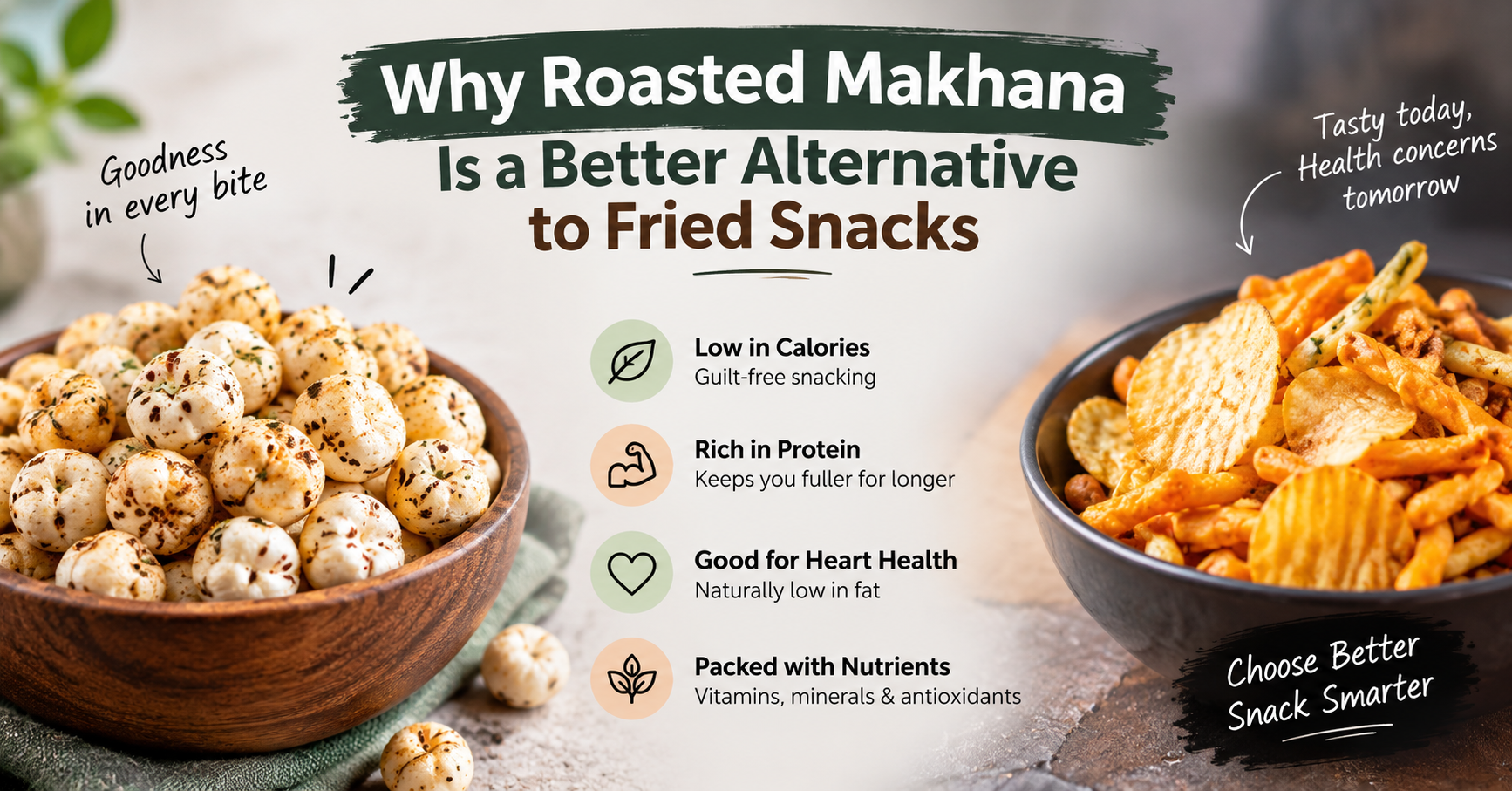
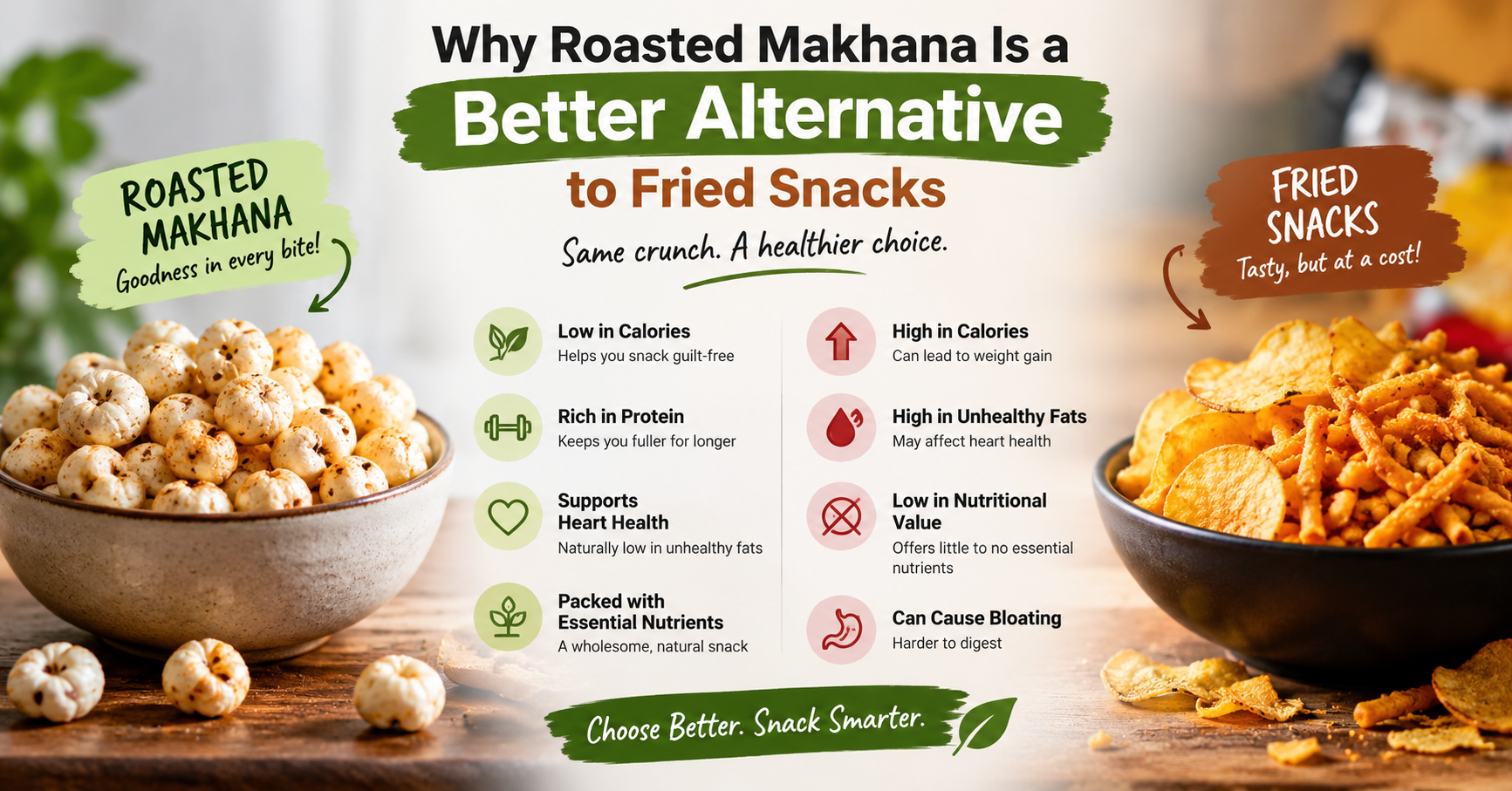
One of the biggest advantages of makhana is that it can be a better alternative to many processed snacks. Instead of reaching for chips, biscuits or fried namkeen, you can have a portion of roasted makhana when you want something crunchy.
Makhana contains carbohydrates and provides some protein and fibre. These nutrients can contribute to a satisfying snack, particularly when makhana is combined with other nutritious foods.
For weight management, the important factor is portion control. Even healthy foods can contribute excess calories if eaten in large quantities.
Is Makhana Low in Calories?
Makhana is often described as a low-calorie snack, but the actual calorie content depends on the quantity and how it is prepared.
Plain or dry-roasted makhana contains fewer calories than makhana cooked with generous amounts of ghee, butter or oil. Flavoured commercial versions can also contain additional salt, sugar, seasonings or fats.
A practical serving is around 25–30 grams of roasted makhana. This can make a convenient snack between meals without adding a very large number of calories to your daily diet.
If you are tracking calories for weight loss, measure your portion rather than eating directly from a large container.
Makhana and Satiety
Feeling full between meals can make it easier to manage cravings. Makhana's combination of carbohydrates, some protein and fibre can make it a more useful snack than many highly processed foods.
However, makhana is not exceptionally high in protein. If you want a more filling snack, consider pairing it with a protein-rich food.
For example, you could have roasted makhana with:
- Unsweetened Greek yogurt
- Curd
- A small portion of nuts
- Roasted chickpeas
- A protein-rich meal later in the day
This approach can make your overall diet more balanced.
Best Way to Eat Makhana for Weight Loss
The preparation method makes a major difference. Dry roasting makhana is one of the simplest options.
You can roast it in a pan until it becomes crisp and then add spices such as black pepper, cumin powder, turmeric or a small amount of chaat masala.
If you prefer using ghee or oil, keep the quantity modest. Adding large amounts of ghee can significantly increase the calorie content of the snack.
Try to avoid turning makhana into a dessert with sugar, chocolate, caramel or other calorie-dense ingredients if your primary goal is weight management.
How Much Makhana Should You Eat?
There is no single portion that works for everyone because calorie requirements differ according to age, body size, activity level and overall diet.
For many people, 25–30 grams of roasted makhana can be a reasonable starting portion for a snack. You can adjust the quantity depending on your daily calorie and nutrition requirements.
The key is to remember that makhana is a snack, not a food that needs to replace every meal. Eating very large quantities because it is considered "healthy" can still make it harder to maintain a calorie deficit.
Makhana vs. Unhealthy Snacks
One reason makhana can be helpful during weight loss is that it can replace less nutritious snacks.
For example, instead of having fried chips or highly processed namkeen, roasted makhana can provide crunch and flavour with a simpler ingredient profile.
You can make your snack even more nutritious by adding a small amount of seeds or pairing it with fresh fruit or yogurt.
However, packaged flavoured makhana should be checked carefully. Some products may contain added fats, sugar or high amounts of sodium.
Can You Eat Makhana at Night?
Yes, you can eat makhana at night if it fits into your overall diet and calorie intake. The timing of the snack is generally less important than your total daily food intake.
If you feel hungry in the evening, a measured portion of lightly roasted makhana can be a better option than regularly eating fried snacks or sweets.
That said, if you are not hungry, you do not need to eat makhana simply because it is considered healthy.
Does Makhana Burn Belly Fat?
No. Makhana does not specifically burn belly fat. There is no food that can selectively remove fat from one particular area of the body.
Belly-fat reduction generally comes from reducing overall body fat through an appropriate calorie deficit, regular physical activity, strength training, adequate protein and sustainable eating habits.
Makhana can be part of this approach, but it should not be considered a fat-burning food.
Things to Keep in Mind
Although makhana can be a healthy snack, moderation is important. People sometimes add too much ghee, butter, oil or seasoning while preparing it, which can change its nutritional profile.
Also, relying heavily on one snack can make your diet less varied. A healthy weight-loss diet should include vegetables, fruits, whole grains, pulses, protein sources, healthy fats and adequate fluids.
If you have a medical condition, food intolerance or specific nutritional requirements, speak with a qualified healthcare professional or registered dietitian before making major dietary changes.
So, is makhana good for weight loss? Yes, it can be a useful addition to a weight-loss diet when eaten in moderation. Its crunchy texture makes it a convenient alternative to many fried and highly processed snacks.
For the best results, choose plain or lightly roasted makhana, control your portion size and avoid excessive ghee, oil, sugar and high-calorie toppings. Most importantly, focus on your overall diet and lifestyle rather than expecting one food to cause weight loss.
When combined with a balanced diet, regular exercise and sensible portions, makhana can be a simple and enjoyable snack for people working toward their weight-management goals.