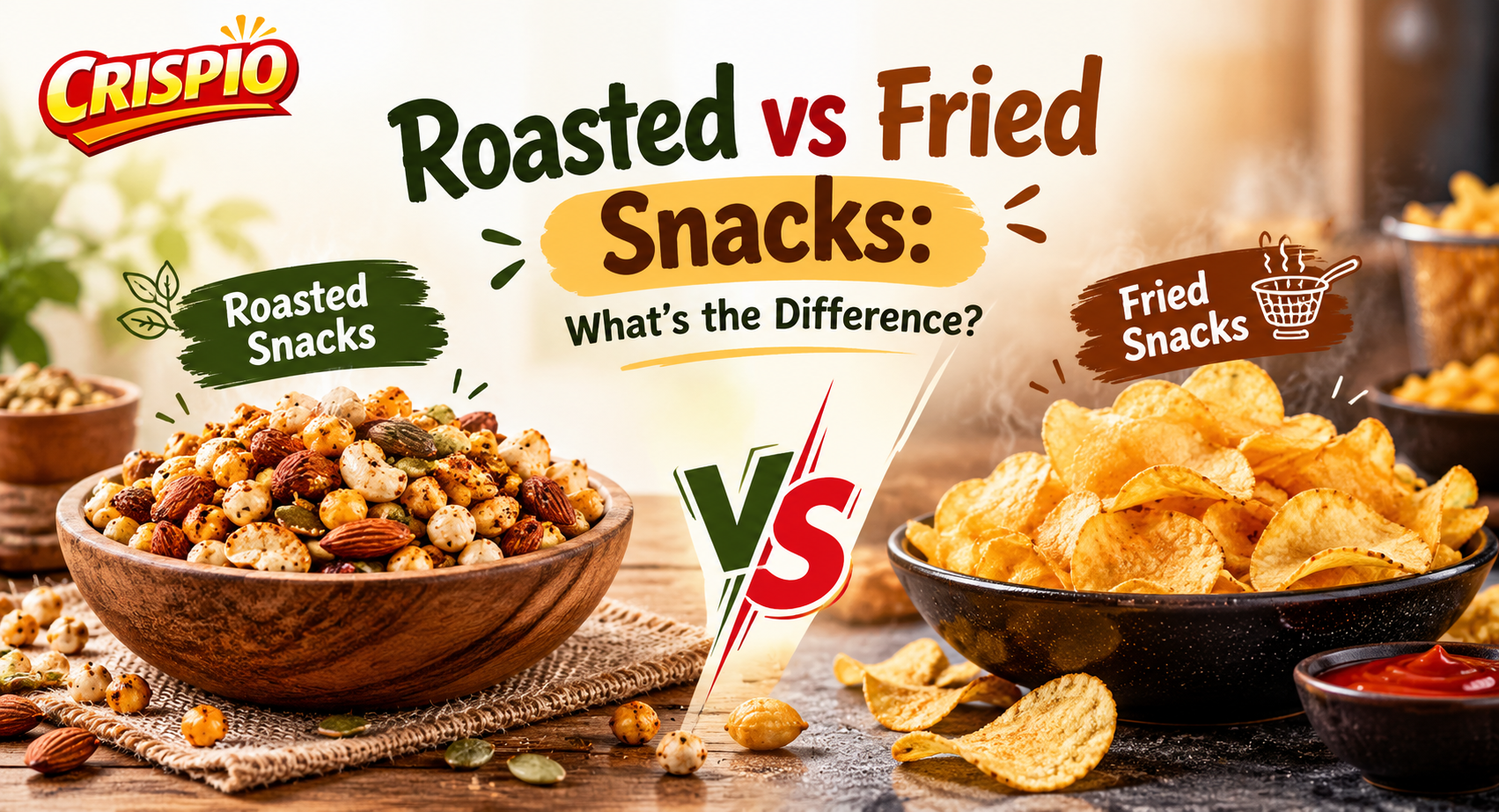
Snacking is a part of our daily routine. Whether you need something crunchy with your evening tea, a quick bite during work, or a tasty option while travelling, snacks are always a favourite. But when it comes to choosing between roasted and fried snacks, many people wonder which option is better for their health.
The main difference between roasted and fried snacks lies in their cooking method, oil content, calorie levels, and overall nutritional value. Roasted snacks usually require little or no oil, while fried snacks are cooked in hot oil, which can increase their fat and calorie content.
Let's understand the difference between roasted and fried snacks and how you can make smarter choices without giving up your favourite flavours.
What Are Roasted Snacks?
Roasted snacks are prepared by exposing ingredients to dry heat, usually in an oven, pan, or roasting machine. This method helps develop a crunchy texture and rich flavour without requiring large amounts of oil.
Popular examples of roasted snacks include roasted makhana, chickpeas, peanuts, almonds, and other roasted nuts and seeds.
Many people choose healthy roasted snacks because they offer crunch and flavour while helping reduce unnecessary oil consumption. However, their nutritional value depends on the ingredients, seasoning, and portion size.
Benefits of Roasted Snacks
-
Lower oil content: Dry-roasted snacks can contain less added fat than deep-fried alternatives.
-
Better portion control: Choosing pre-portioned snacks can help you avoid eating more than you need.
-
Nutrient retention: Roasting can preserve many nutrients, although heat may reduce certain heat-sensitive vitamins.
-
Convenient snacking: Roasted snacks are easy to carry to work, college, or while travelling.
-
Different flavour options: You can enjoy roasted snacks with herbs, spices, and other seasonings.
These roasted snacks benefits make them a useful choice for people who want to improve their everyday eating habits.
What Are Fried Snacks?
Fried snacks are prepared by cooking food in hot oil. This process creates a crispy outer layer and a distinctive taste that many people enjoy.
Samosas, pakoras, potato chips, French fries, and fried namkeen are common examples of fried snacks.
Frying can make food delicious, but it may also increase its calorie and fat content because the food absorbs oil during cooking. The amount depends on the ingredients, frying temperature, cooking time, and draining method.
Common Characteristics of Fried Snacks
-
Higher fat content: Deep-fried snacks often contain more fat than similar snacks prepared without oil.
-
More calories: Added oil increases the total energy content of food.
-
Rich flavour and texture: Frying produces a crispy texture and appealing taste.
-
Oil quality matters: Repeatedly heating oil can lead to the formation of unwanted degradation products.
-
Easy to overeat: Highly palatable snacks may encourage people to eat larger portions than intended.
Fried snacks are not automatically unhealthy, but eating large amounts frequently can make it harder to maintain a balanced diet.
Roasted Snacks vs Fried Snacks: Key Differences
The following table explains how these two snack types compare.
| Feature | Roasted Snacks | Fried Snacks |
|---|---|---|
| Cooking method | Dry heat or roasting with little oil | Cooking in hot oil |
| Oil content | Usually lower when dry-roasted | Often higher, especially with deep frying |
| Calories | Often lower for comparable ingredients | Often higher due to absorbed oil |
| Texture | Crisp, crunchy, and sometimes light | Crispy, rich, and sometimes oily |
| Nutritional value | Depends on ingredients and seasoning | Depends on ingredients, oil, and cooking method |
| Everyday use | Can be a convenient snack option | Best enjoyed in suitable portions |
| Examples | Roasted makhana, chickpeas, nuts | Samosas, pakoras, French fries |
Remember, this comparison is general. Roasted nuts can still be calorie-dense, while some lightly fried snacks may contain less fat than expected. Always consider the actual ingredients and serving size.
Are Roasted Snacks Healthier Than Fried Snacks?
In many cases, yes. Roasted snacks are healthier than fried snacks when both use similar ingredients and the roasted version contains less added oil.
For example, dry-roasted chickpeas provide fibre and plant-based protein without the extra oil associated with deep frying. Similarly, plain roasted makhana can be a lighter alternative to some fried namkeen options.
However, roasting does not automatically make every food healthy. Adding excessive salt, sugar, butter, or flavoured coatings can reduce the nutritional advantage.
For a balanced choice, look for snacks that contain simple ingredients, moderate sodium, limited added oil, and useful nutrients such as fibre or protein.
Roasted Snacks for Weight Management
If you are trying to manage your weight, switching from frequently consumed deep-fried snacks to suitable roasted alternatives may help reduce your overall calorie intake.
Here are a few options to consider:
1. Roasted Makhana
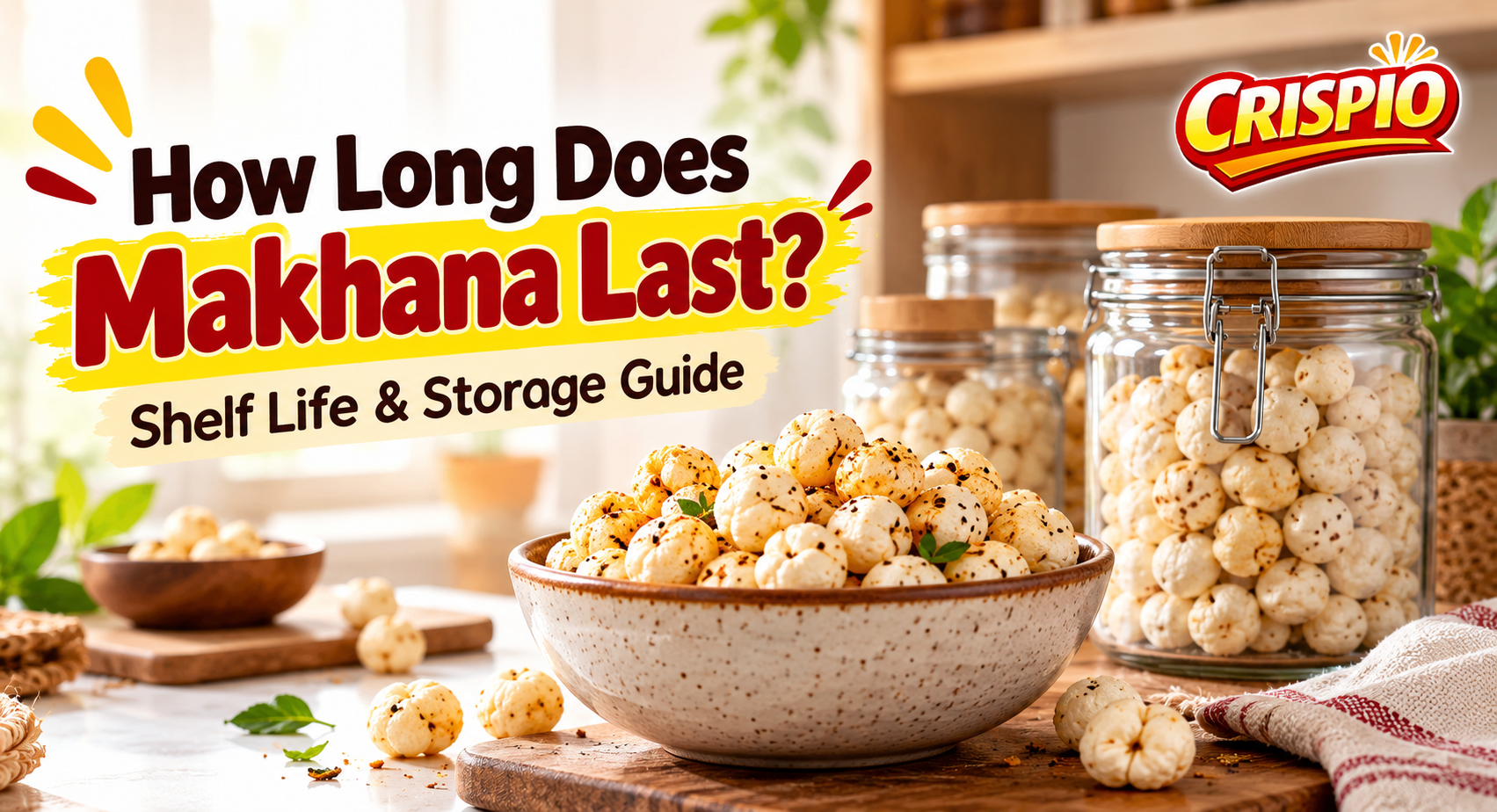
Roasted makhana is a popular Indian snack known for its light, crunchy texture. You can enjoy it with black pepper, turmeric, or other spices. Choose versions with limited added oil and salt.
2. Roasted Chickpeas
Chickpeas provide protein and dietary fibre, which can support fullness. They are a useful alternative to some fried snacks when prepared with moderate seasoning.
3. Roasted Nuts and Seeds
Almonds, peanuts, pumpkin seeds, and sunflower seeds provide beneficial nutrients. However, they are calorie-dense, so smaller portions are generally appropriate.
4. Roasted Corn
Roasted corn can provide carbohydrates and fibre. Use moderate amounts of butter, salt, and sauces to keep the snack balanced.
These low-fat roasted snacks can support a balanced eating routine, but weight management still depends on total calorie intake, physical activity, and overall dietary habits.
Healthy Alternatives to Fried Snacks
You do not have to stop eating crunchy snacks to make healthier choices. A few simple changes can make a difference.
-
Replace some servings of fried chips with dry-roasted makhana.
-
Choose roasted chickpeas instead of frequently eating fried namkeen.
-
Try air-frying suitable foods with a small amount of oil.
-
Add herbs and spices instead of relying only on salt.
-
Check nutrition labels for calories, saturated fat, sodium, and serving size.
-
Keep portions moderate, even when choosing roasted snacks.
If you enjoy flavoured makhana, you can explore options from Crispio and compare the ingredients, seasoning, and nutrition information before choosing your preferred snack.
The goal is not to remove every favourite food from your diet. Instead, make small, practical changes that you can follow consistently.
Roasted vs Deep-Fried Foods: Which Should You Choose?
When comparing roasted vs deep-fried foods, consider how often you eat them and how they fit into your daily diet.
Roasted options are generally a good choice for regular snacking when they contain minimal added oil and moderate seasoning. Deep-fried snacks can still be enjoyed occasionally, but frequent consumption of energy-dense, high-fat foods may contribute to excess calorie intake.
Also, pay attention to food quality. Store snacks in airtight containers, check expiry dates, and avoid products with excessive salt or unnecessary additives.
Most importantly, remember that no single snack determines your health. A balanced diet with vegetables, fruits, whole grains, protein sources, and healthy fats matters much more than one food choice.
The main difference between roasted and fried snacks is their preparation method and the amount of oil they contain. Roasted snacks often provide a lower-oil alternative, while deep-fried snacks tend to contain more fat and calories.
If you want to make better everyday choices, start with healthy roasted snacks such as makhana, chickpeas, and portion-controlled nuts. Compare nutrition labels, choose moderate seasoning, and pay attention to serving sizes.
A simple takeaway: Choose roasted snacks more often, enjoy fried snacks in moderation, and focus on the quality of your overall diet rather than following strict food rules.