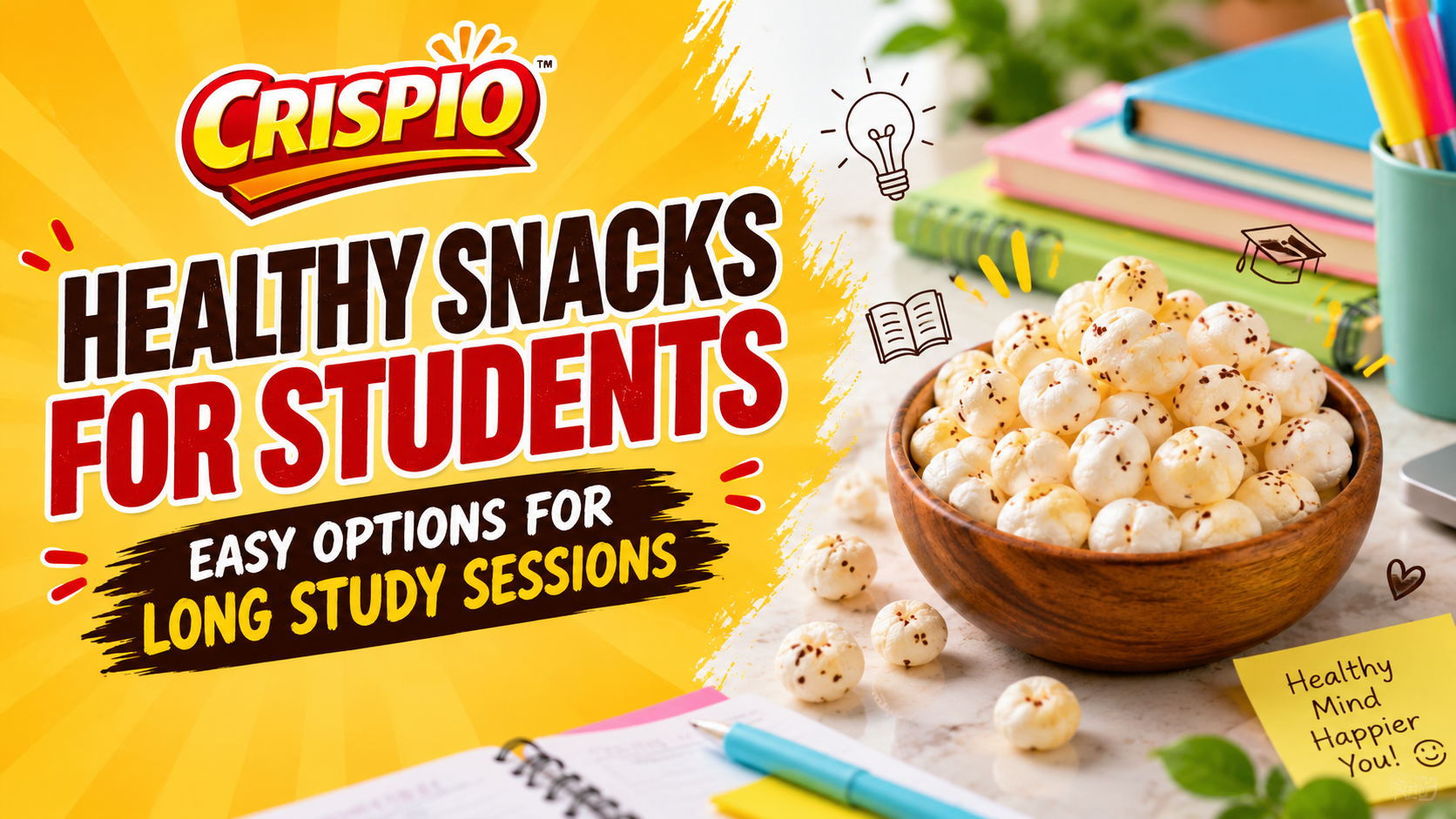
Long study sessions can make students feel hungry, tired, and less focused. Reaching for chips, biscuits, sugary drinks, or packaged snacks may be convenient, but these options may not keep you satisfied for long. Choosing healthy snacks can help students manage hunger while providing useful nutrients during study time.
The best study snacks are simple, easy to prepare, and convenient to eat between classes or during long revision sessions. Here are some healthy snack options students can include in their daily routine.
Why Healthy Snacks Are Important During Study Sessions
Studying for several hours requires concentration and mental energy. Going too long without eating can leave you feeling hungry and distracted. A balanced snack can help you stay satisfied between meals.
Students can choose snacks containing a combination of protein, fibre, healthy fats, and carbohydrates. These nutrients can make snacks more filling and provide steady energy.
Instead of eating a large quantity of sugary or fried food, focus on smaller portions of nutritious foods.
1. Makhana
Makhana is a popular Indian snack that can be a convenient option for students. Roasted makhana is light, crunchy, and easy to carry.
You can roast makhana at home and add simple seasonings such as black pepper, roasted cumin, or a small amount of salt. It can be stored in an airtight container and enjoyed during study breaks.
Makhana is also easy to combine with other ingredients such as nuts and seeds for a more filling snack.
2. Fresh Fruits
Fresh fruits are one of the easiest healthy snacks for students. Apples, bananas, oranges, guava, papaya, and seasonal fruits can be included depending on availability.
Fruits provide carbohydrates, fibre, vitamins, minerals, and water. A banana can be particularly convenient before a long study session because it requires almost no preparation.
For better variety, students can keep two or three different fruits available during the week.
3. Nuts and Seeds
Almonds, walnuts, peanuts, pumpkin seeds, sunflower seeds, and other nuts or seeds can make a practical study snack.
They contain healthy fats and protein and can be eaten in small portions. Since nuts are energy-dense, a small handful is generally enough for a snack.
You can also prepare a homemade trail mix using nuts, seeds, roasted makhana, and a small amount of dried fruit.
4. Dates and Dry Fruits
Dates and dry fruits are another convenient option when students want something naturally sweet. Dates can be eaten on their own or combined with nuts.
A homemade dates and dry fruits snack can be prepared without relying heavily on processed ingredients. It is also easy to pack in a small container for college, school, or a library study session.
Students should still keep portions moderate because dried fruits are more concentrated than fresh fruits.
5. Yogurt or Curd With Fruit
Plain curd or yogurt with chopped fruit can be a refreshing snack. It provides protein and can be combined with fruits such as banana, apple, berries, or papaya.
If you prefer sweetness, naturally sweet fruits can add flavour without needing a lot of added sugar.
This option works particularly well as an evening study snack when you want something more filling than a simple fruit.
6. Roasted Chana
Roasted chana is an affordable and easy-to-carry Indian snack. It provides protein and fibre and can help keep hunger under control between meals.
Keep a small portion in a reusable container and enjoy it during a study break. You can also combine roasted chana with chopped vegetables to make a simple homemade snack mix.
7. Peanut or Nut Butter With Whole-Grain Toast
Whole-grain toast with peanut butter or another nut butter can be a satisfying option for longer study sessions.
The combination provides carbohydrates along with protein and fats. Choose a nut butter with a simple ingredient list and avoid products with excessive added sugar when possible.
A banana can also be added to the toast for extra flavour and natural sweetness.
8. Homemade Sandwiches
A simple homemade sandwich can be more filling than packaged snacks. Use whole-grain bread and add ingredients such as cucumber, tomato, paneer, boiled egg, or other preferred fillings.
Preparing sandwiches at home also gives students better control over the amount of salt, sauces, and processed ingredients used.
9. Vegetable Sticks With Homemade Dip
Cucumber, carrot, capsicum, and other crunchy vegetables can make a refreshing snack. Pair them with homemade curd-based dip or hummus for additional flavour.
This can be a useful option for students who want something crunchy without choosing fried snacks.
10. Hydration Matters Too
Sometimes students mistake thirst for hunger, especially during long hours of studying. Keep water nearby and drink regularly throughout the day.
Coconut water, unsweetened beverages, or plain water can be considered depending on your routine. Try not to depend heavily on sugary soft drinks or energy drinks during study sessions.
How to Plan Snacks for Long Study Sessions
Good snack planning can make healthy eating easier. Prepare snacks before starting a long study session so you do not automatically reach for packaged food when hunger appears.
Keep options such as roasted makhana, fruits, roasted chana, nuts, or homemade snack mixes ready. Portion them into small containers so they are easy to grab.
It is also useful to combine different food groups. For example, fruit with nuts or curd with fruit can be more satisfying than eating only a sugary snack.
Healthy snacks for students do not have to be complicated or expensive. Simple choices such as makhana, fruits, nuts, roasted chana, dates, curd, sandwiches, and vegetable sticks can fit easily into a busy study schedule.
The goal is not to eat continuously while studying. Instead, plan sensible portions, stay hydrated, and choose nutrient-rich foods that help you stay satisfied during long study sessions. A balanced daily diet, regular meals, adequate sleep, and healthy study breaks are all important for maintaining energy and concentration.